
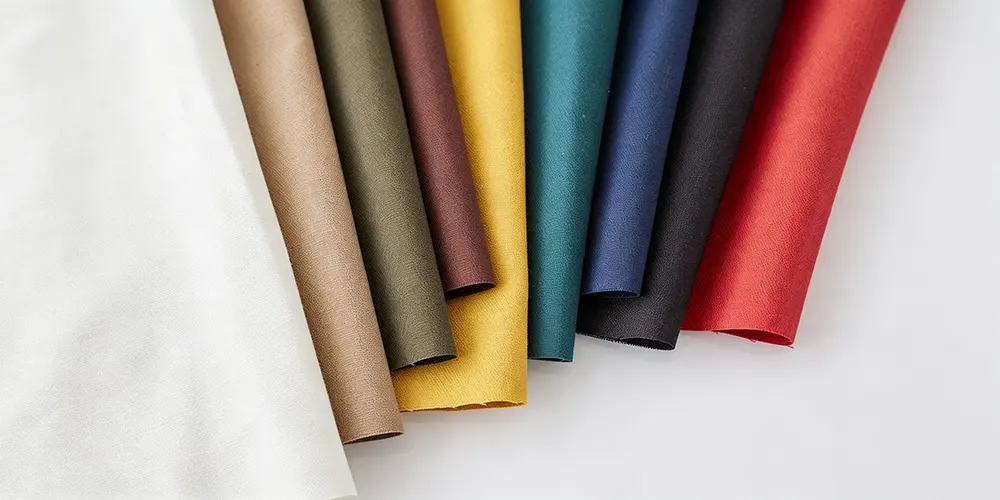
When shopping for a handbag , the material is one of the first things worth checking. It affects the bag’s look, weight, feel, durability, and even how easy it is to care for. A leather handbag can feel polished and timeless, while a nylon bag may be much lighter and easier to use every day.
There is no single best handbag materials for everyone. The right choice depends on where you use your bag, how much you carry, and how much care you want to give it. Here is a simple guide to the most common handbag materials, from leather and canvas to nylon, suede, raffia, and vegan leather.
Leather: A Classic Choice for Handbags
Leather remains one of the most popular handbag materials, especially for designer and luxury bags. It has a natural feel, looks refined, and can last for many years when properly cared for.
Different types of leather can feel very different. Smooth leather has a clean and polished surface, while grained leather has a more textured finish. Full-grain leather keeps more of the natural surface of the hide and is often valued for its durability.
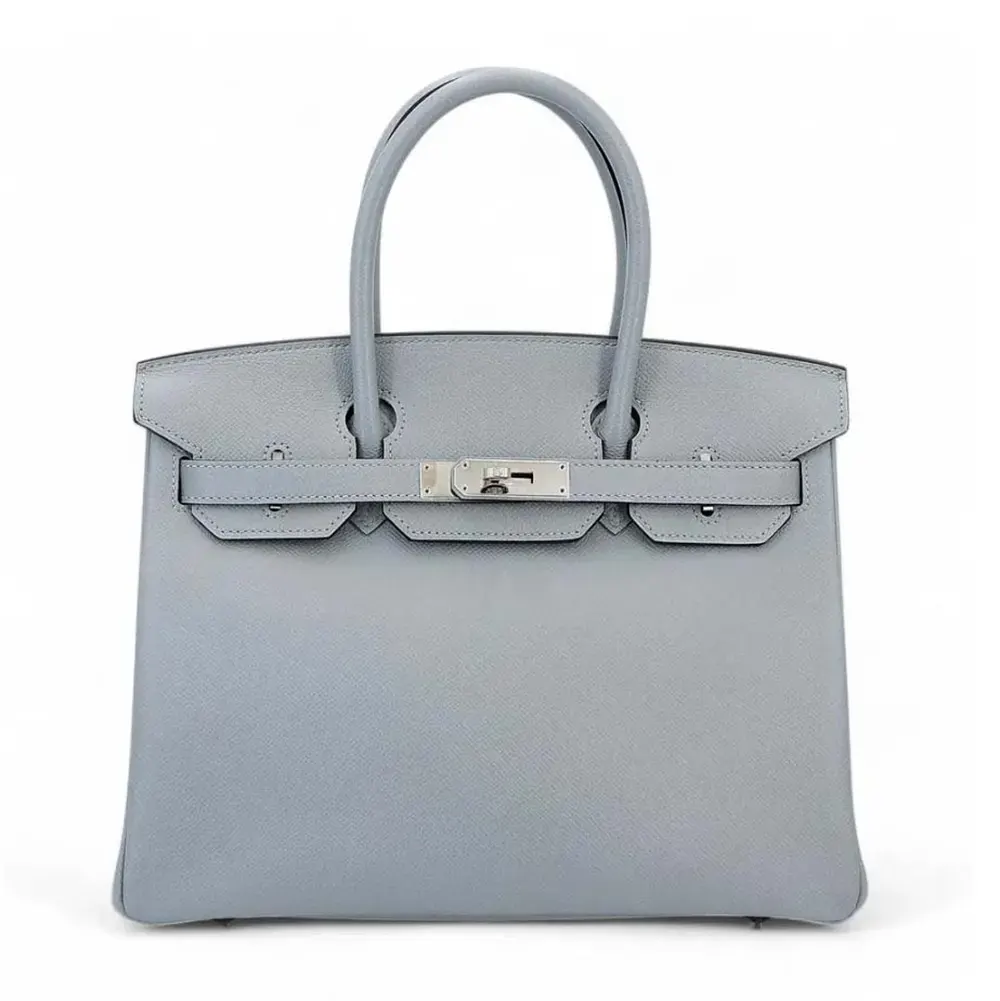
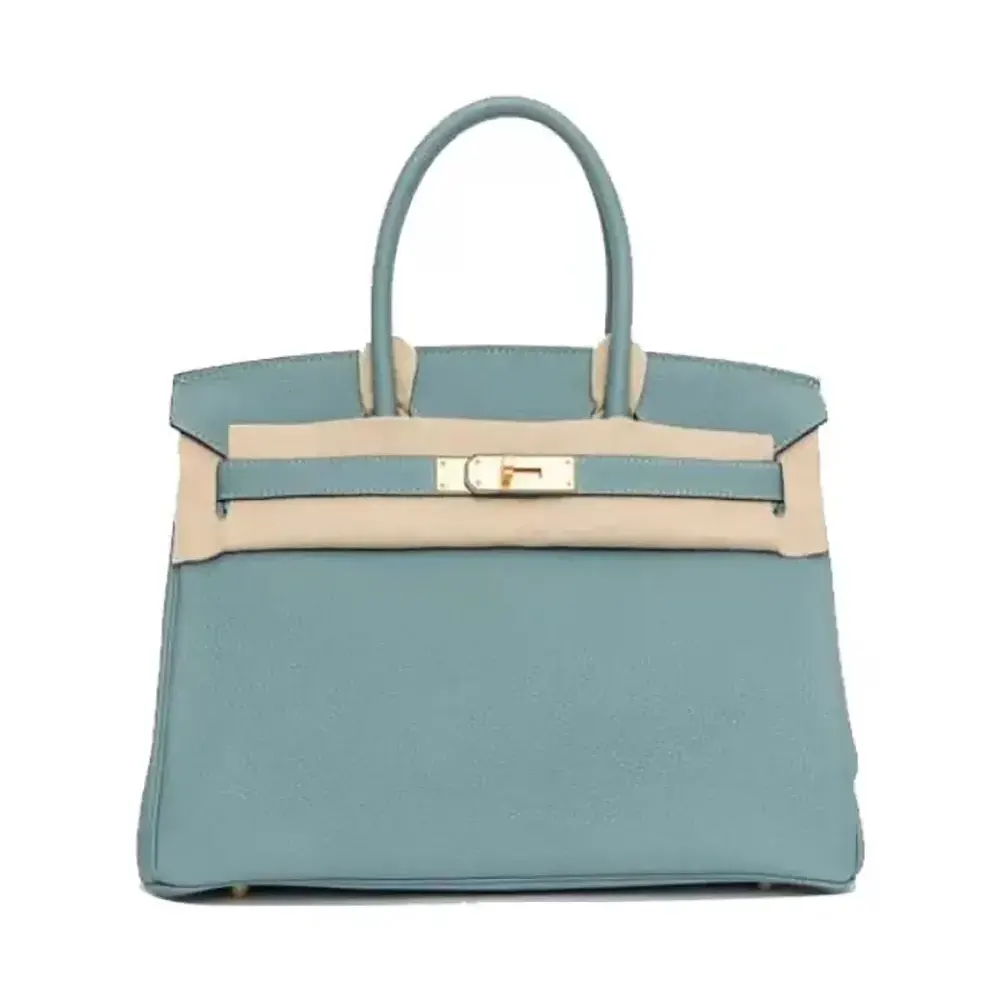
For example, the Hermès Birkin is closely associated with fine leather, while the Louis Vuitton Capucines shows how leather can create a structured and elegant shape.
Leather is a good option for work bags, everyday handbags, and formal styles. The trade-off is that some leather can be heavy and may need extra care. Water, scratches, and strong sunlight can affect certain finishes.
Canvas: Casual, Light, and Practical
Canvas is a fabric material that is often used for relaxed everyday handbags and larger totes. It generally feels more casual than leather and can be a practical choice when you need more space.
One famous example is the Louis Vuitton Neverfull, which uses coated canvas. This type of material is lighter than many leather bags and gives the handbag its familiar structured shape.
Canvas works especially well with casual clothing such as jeans, sneakers, shirts, and simple dresses. It is also popular for travel because a large canvas tote can hold many daily essentials without feeling as formal as a leather handbag.
However, not all canvas is the same. Untreated fabric canvas can absorb water and stains, while coated canvas may be easier to wipe clean.
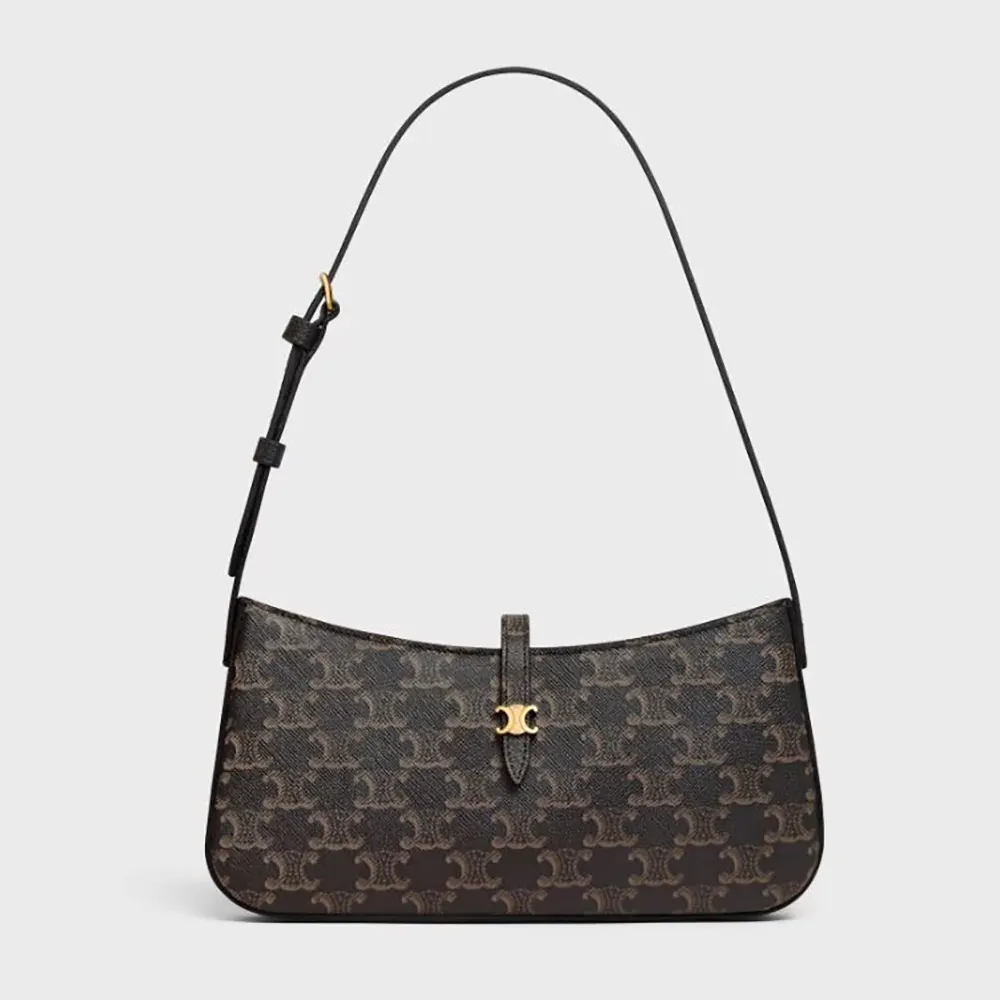
Nylon: Lightweight and Easy to Use
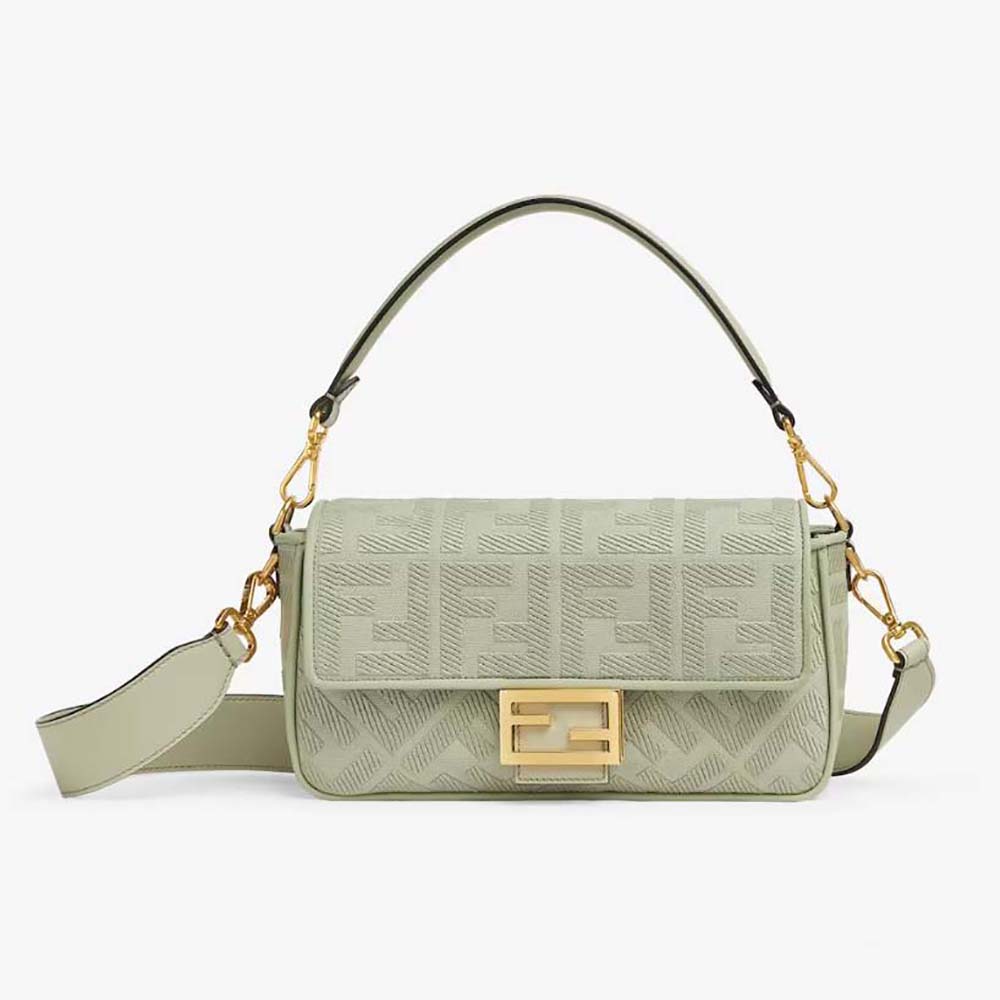
For people who prefer a lightweight handbag, nylon is worth considering. It is flexible, easy to carry, and usually requires less maintenance than delicate leather or suede.
Nylon is particularly useful for commuting, travel, shopping, and busy days when you do not want a heavy bag on your shoulder. Some nylon handbags also offer water-resistant finishes, which can be useful in rainy weather.
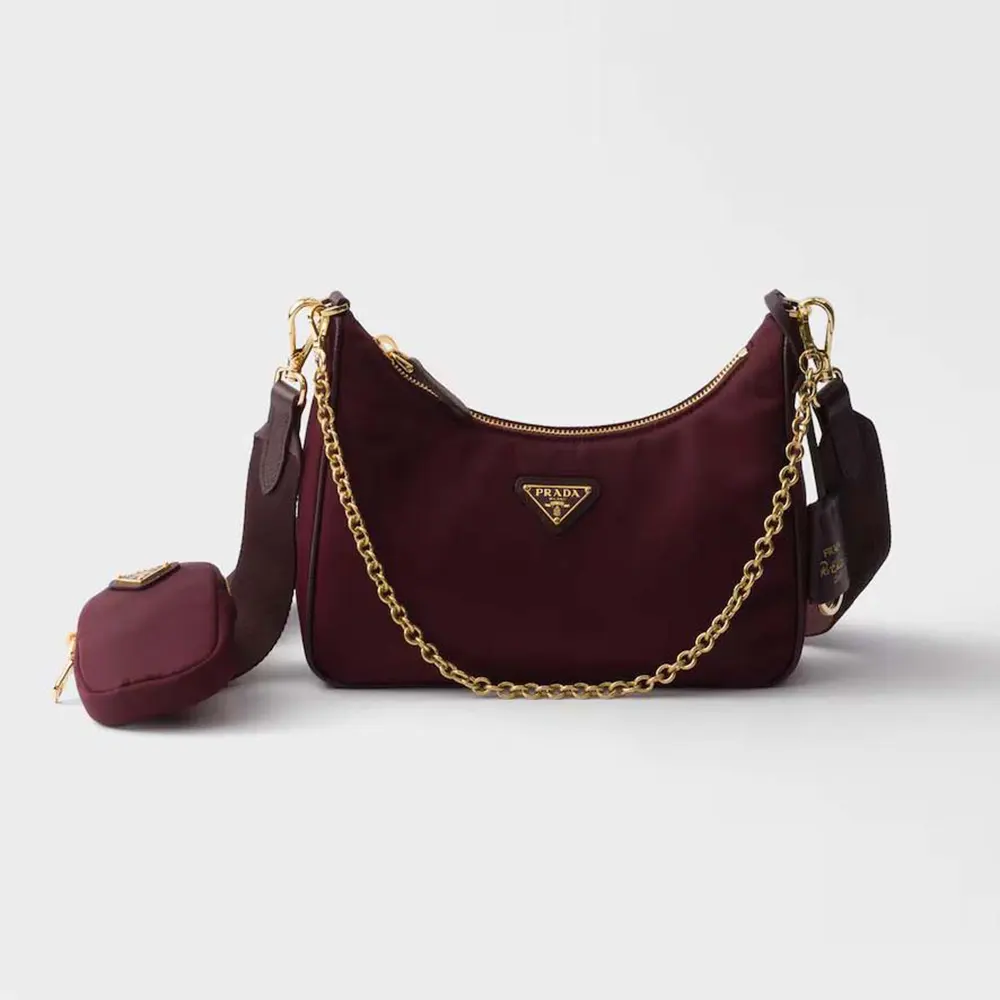
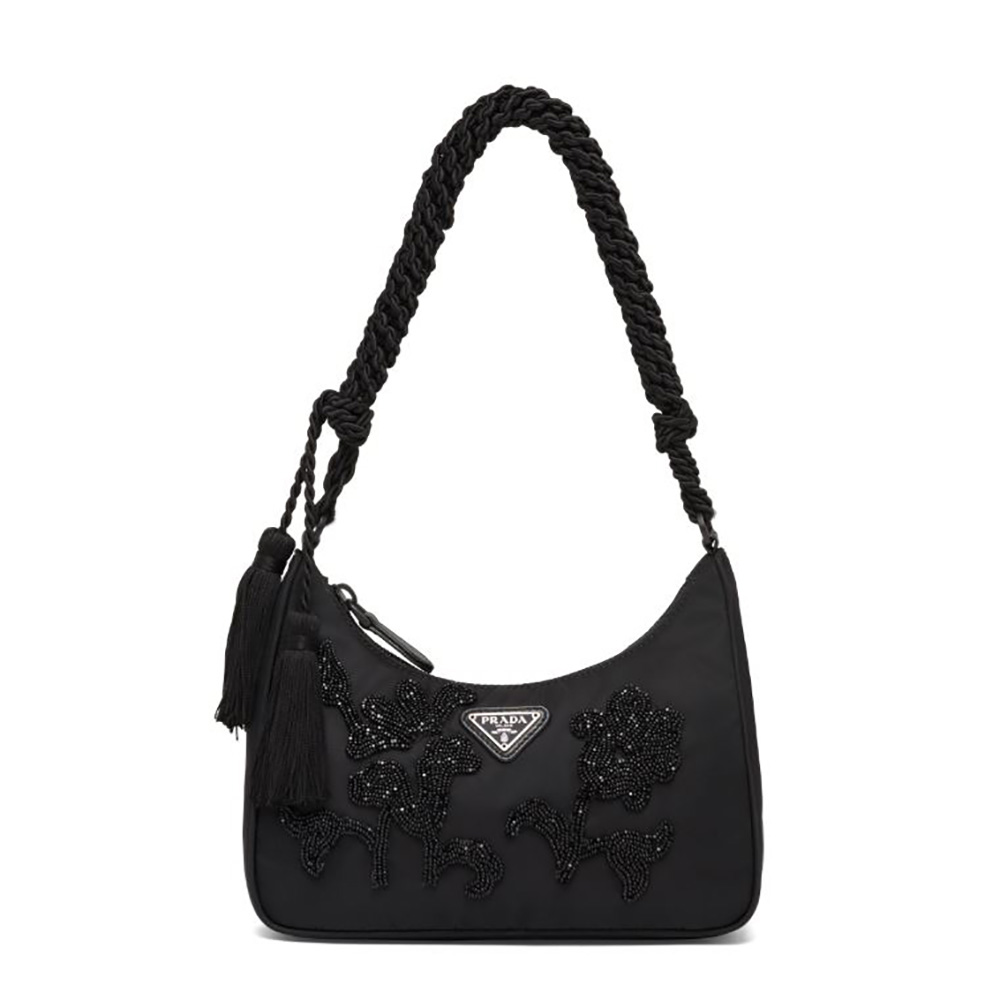
Prada nylon handbags, including styles from the Re-Nylon and Re-Edition collections, helped turn this practical material into a recognizable part of modern luxury fashion.
The main advantage of nylon is convenience. The downside is that it may not have the same rich texture or structured feel as high-end leather.
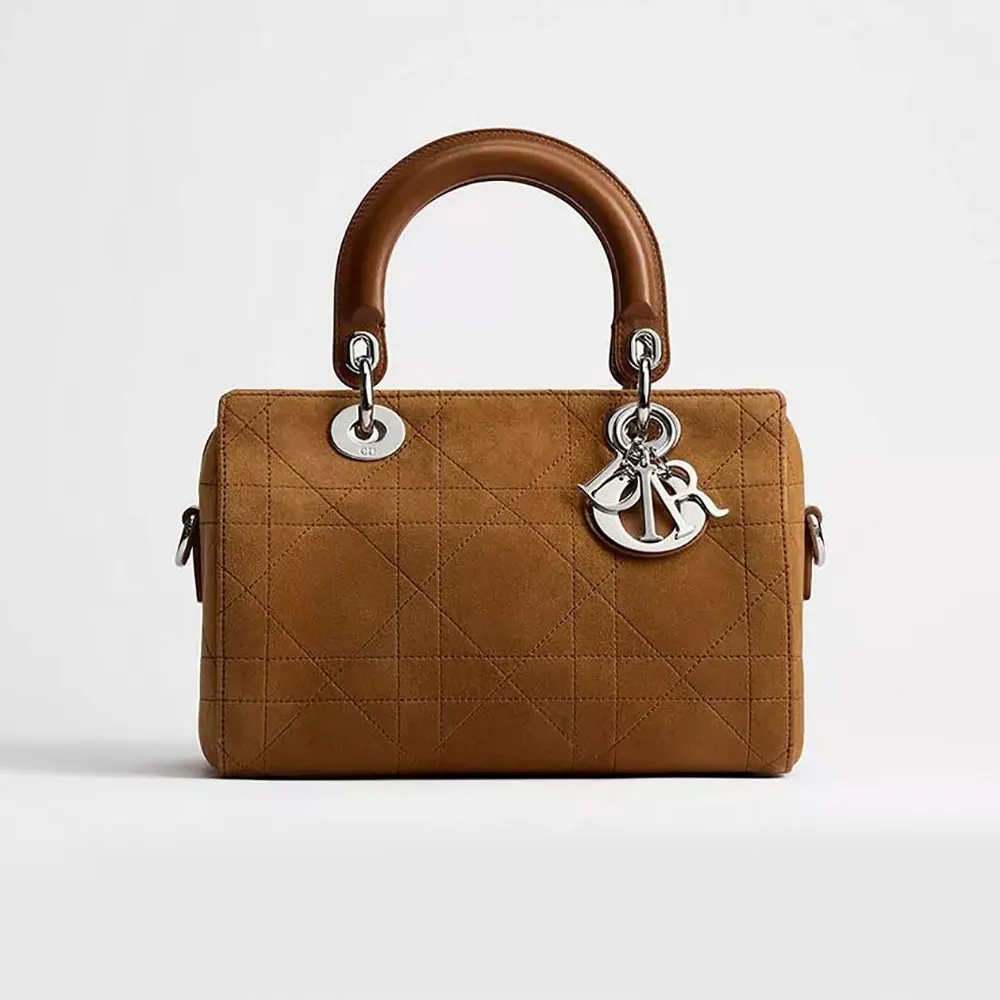
Suede: Soft and Textured
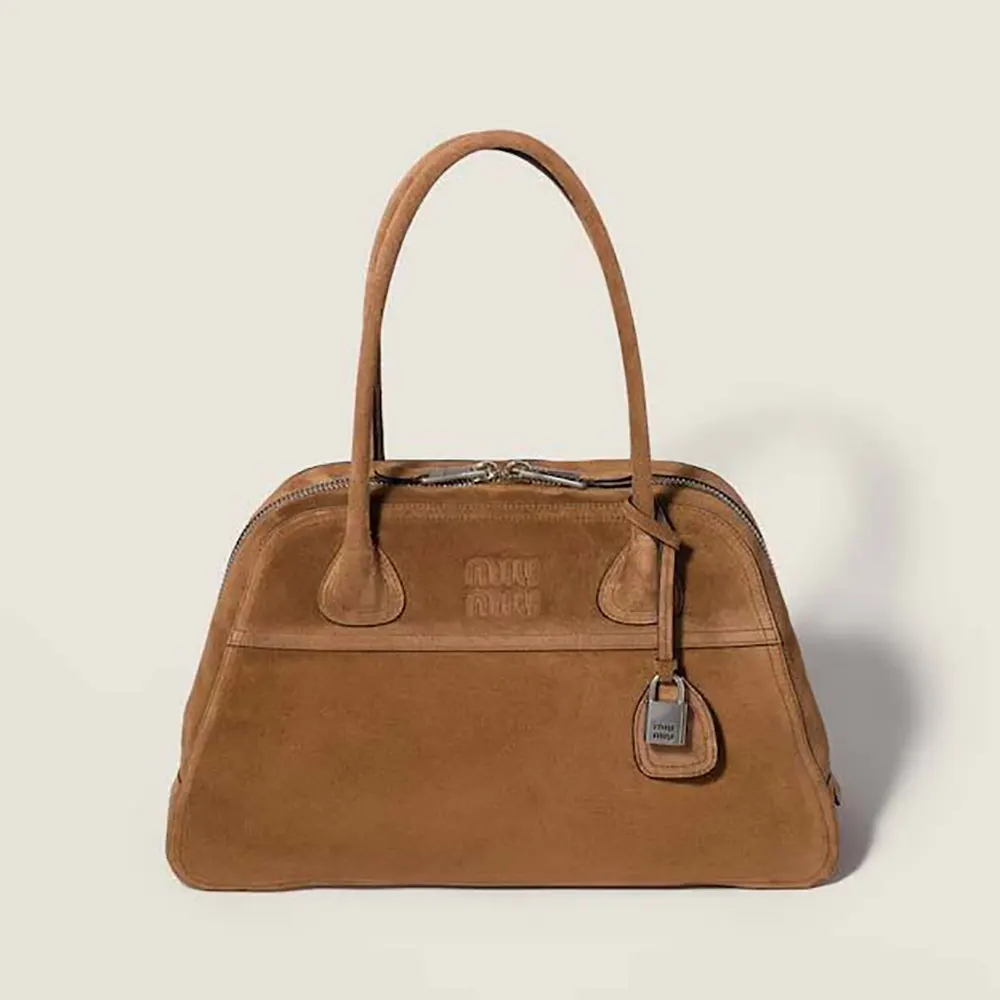
Suede is another popular handbag material. It has a soft, slightly fuzzy surface that gives bags a warm and luxurious appearance.
A suede handbag can add texture to a simple outfit and works particularly well in autumn and winter. It pairs nicely with knitwear, coats, boots, and neutral colors.
The problem is care. Suede can show water marks and stains more easily than smooth leather. If you choose a suede handbag, keeping it away from heavy rain and using suitable care products can help protect the surface.
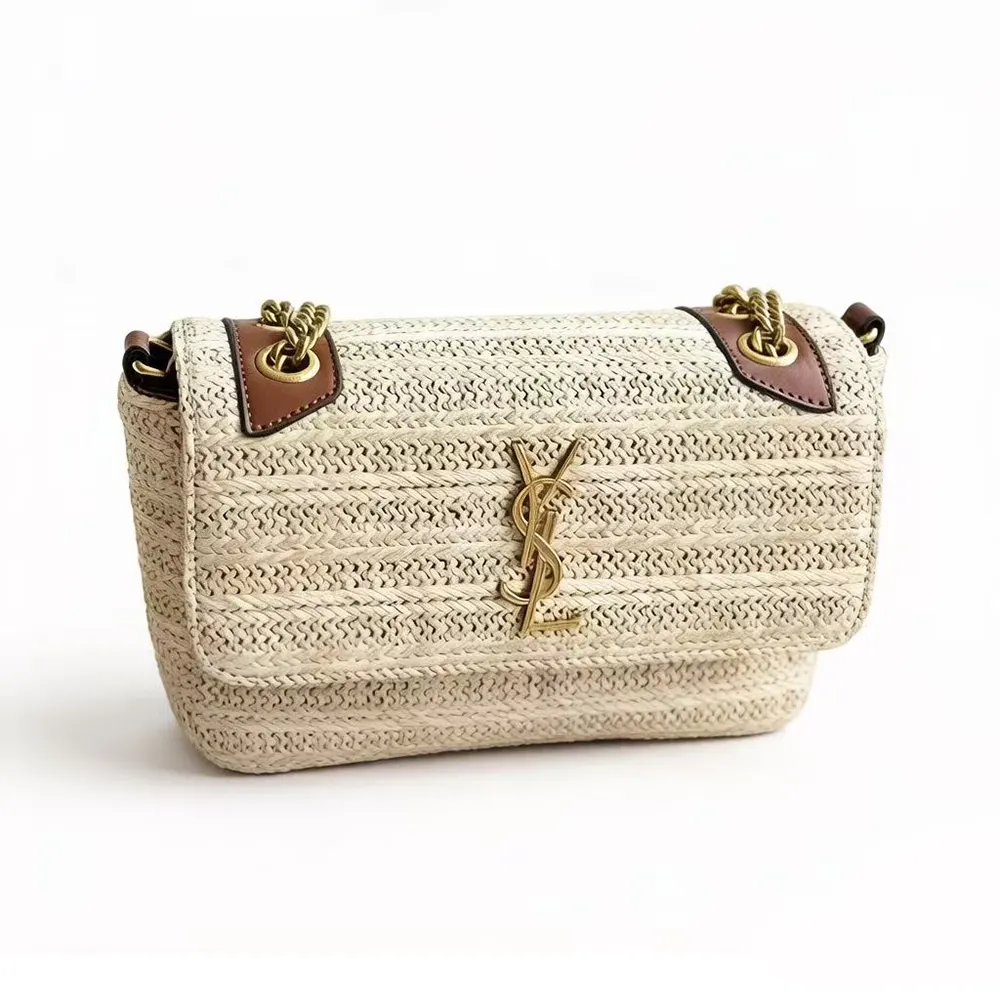
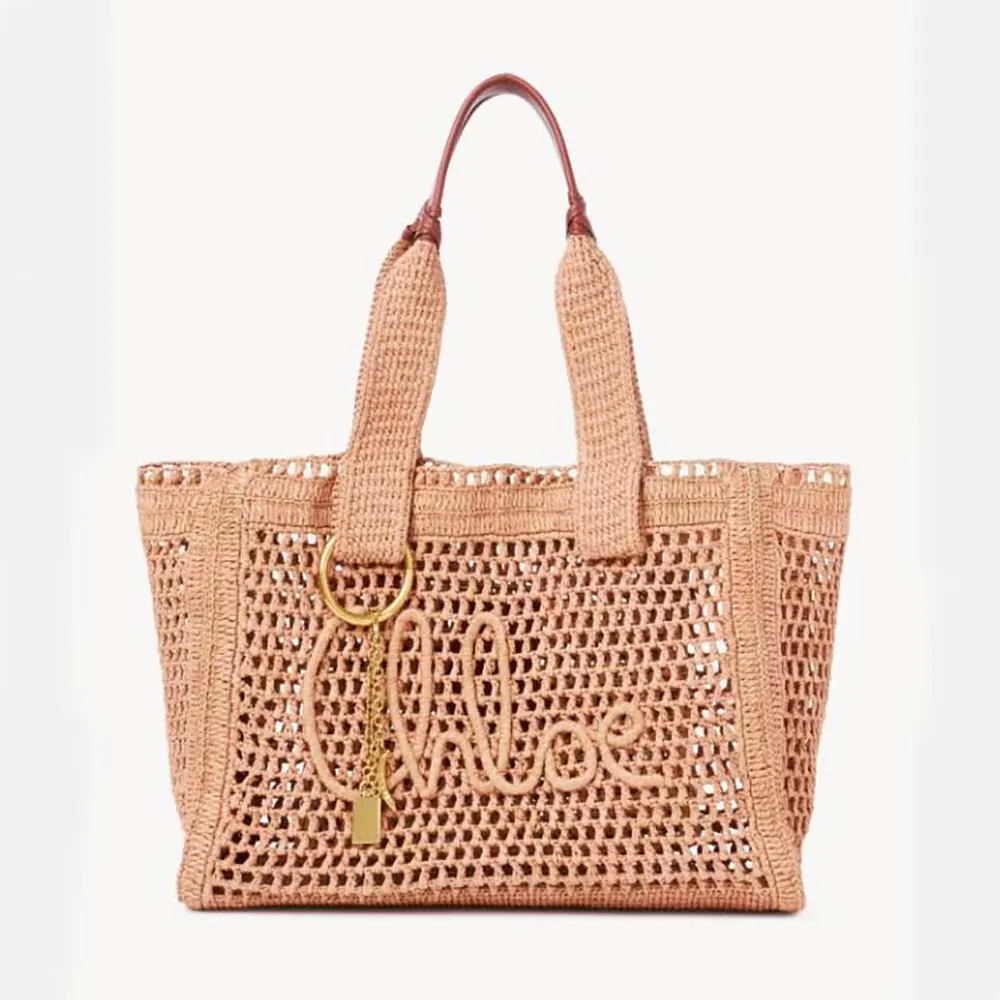
Raffia and Straw: Great for Warm Weather
Raffia and straw are common choices for summer handbags. Their natural texture gives a bag an easy vacation feel.
These materials work well with linen clothing, summer dresses, sandals, and beach outfits. A raffia tote can also be useful for holidays because it usually has a relaxed shape and seasonal look.
The downside is that raffia and straw are generally less suitable for wet weather and heavy daily use.
Vegan Leather: A Modern Alternative
Vegan leather is made from synthetic or plant-based materials designed to look and feel similar to animal leather. It has become increasingly common across different handbag price ranges.
One benefit is that it can offer the appearance of leather at a lower price point. It is also available in many colors and finishes.
However, “vegan leather” does not automatically mean the bag will last longer. Quality varies between materials, so check the surface, stitching, lining, hardware, and overall construction before buying.
Which Handbag Material Is Right for You?
The best handbag material depends on your daily routine.
- Leather: Best for a classic, polished, and long-term investment.
- Canvas: Good for casual outfits, large totes, and everyday use.
- Nylon: Ideal for lightweight handbags, commuting, and travel.
- Suede: A good choice when you want a soft and rich texture.
- Raffia or straw: Best for summer and vacation looks.
- Vegan leather: Useful if you want a leather-like appearance with different price and material options.
Understanding beautiful handbag makes it easier to choose a bag based on more than its logo or appearance. Think about weight, weather, maintenance, and how often you will use it. A beautiful handbag is much more useful when its material also fits your everyday life.