
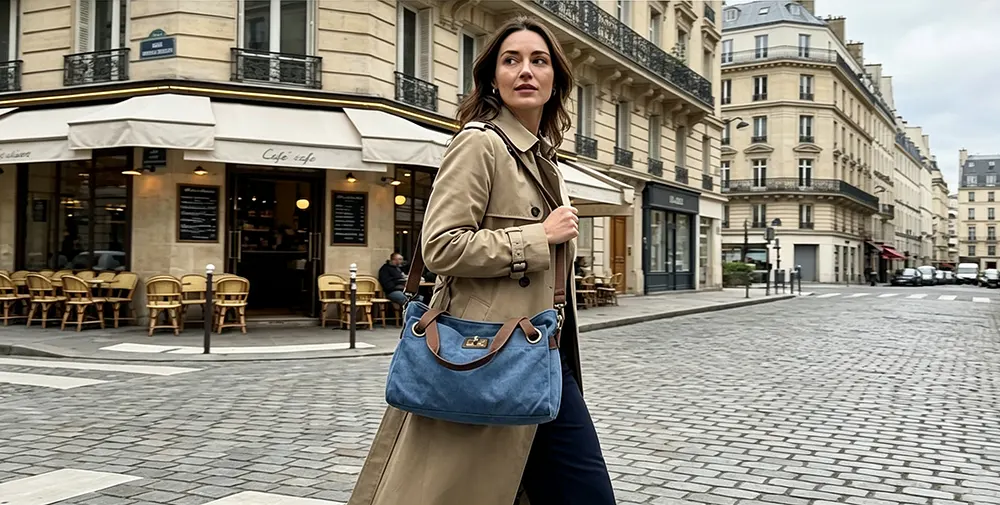
Choosing the right handbag size is about more than how a bag looks. The best size depends on what you carry, where you use the bag, and how comfortable you want it to feel. A large tote may be perfect for work, while a small shoulder bag can be a better choice for dinner or an evening event.
This handbag size guide explains how to choose between large, medium, and small bags, with practical examples from popular luxury handbag styles .
What Handbag Size Should You Choose?
The easiest way to choose a handbag size is to start with your daily routine.
- Choose a large handbag if you carry a laptop, documents, tablet, cosmetics, or other larger items.
- Choose a medium handbag if you need space for everyday essentials such as a wallet, phone, keys, sunglasses, and makeup.
- Choose a small handbag if you mainly carry your phone, cards, keys, and a few personal items.
Your lifestyle should come before trends. A beautiful bag is not useful if it cannot hold the things you need.
How to Choose a Large Handbag
Large handbags are ideal for work, travel, shopping, and busy days when you need extra space. They can usually hold several everyday items without becoming difficult to organize.
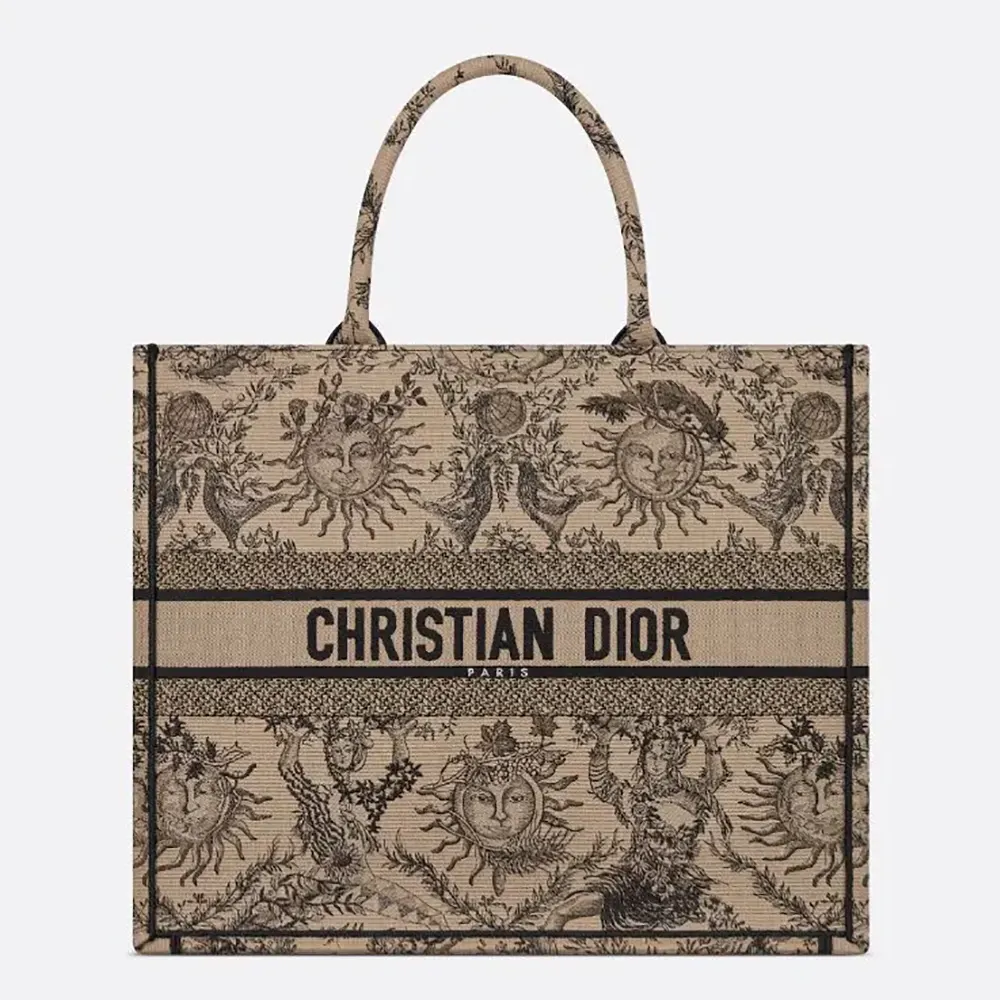
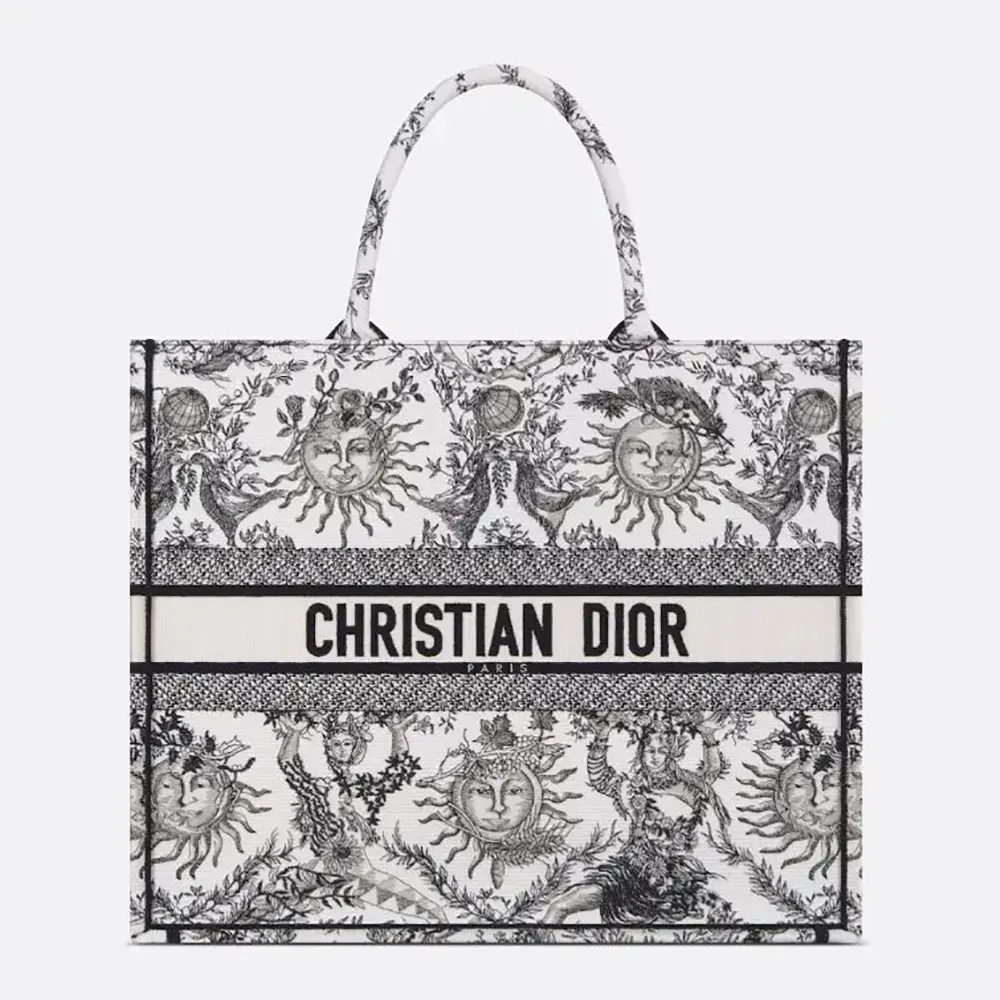
Popular examples include the Hermès Birkin 35 or 40, Bottega Veneta Cabat Large, and Dior Book Tote.
Choose a large bag if you regularly carry:
- A laptop or tablet
- Notebook or documents
- Charger and accessories
- Cosmetics
- Water bottle
- Extra personal items
The main disadvantage is weight. The more space a handbag has, the easier it is to fill it. If you rarely carry many items, a large bag may feel unnecessarily heavy.
How to Choose a Medium Handbag
For many people, a medium handbag offers the best balance between capacity and portability. It provides enough room for daily essentials without the bulk of a large tote.
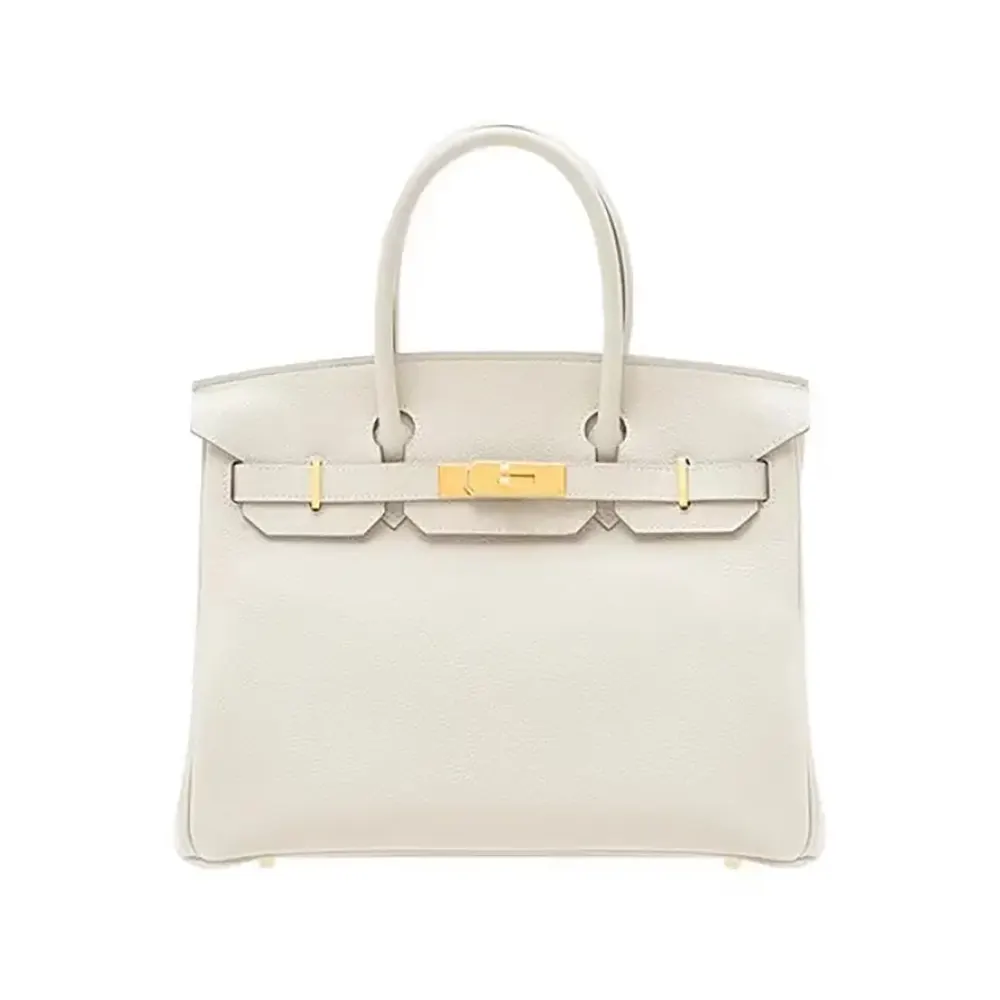
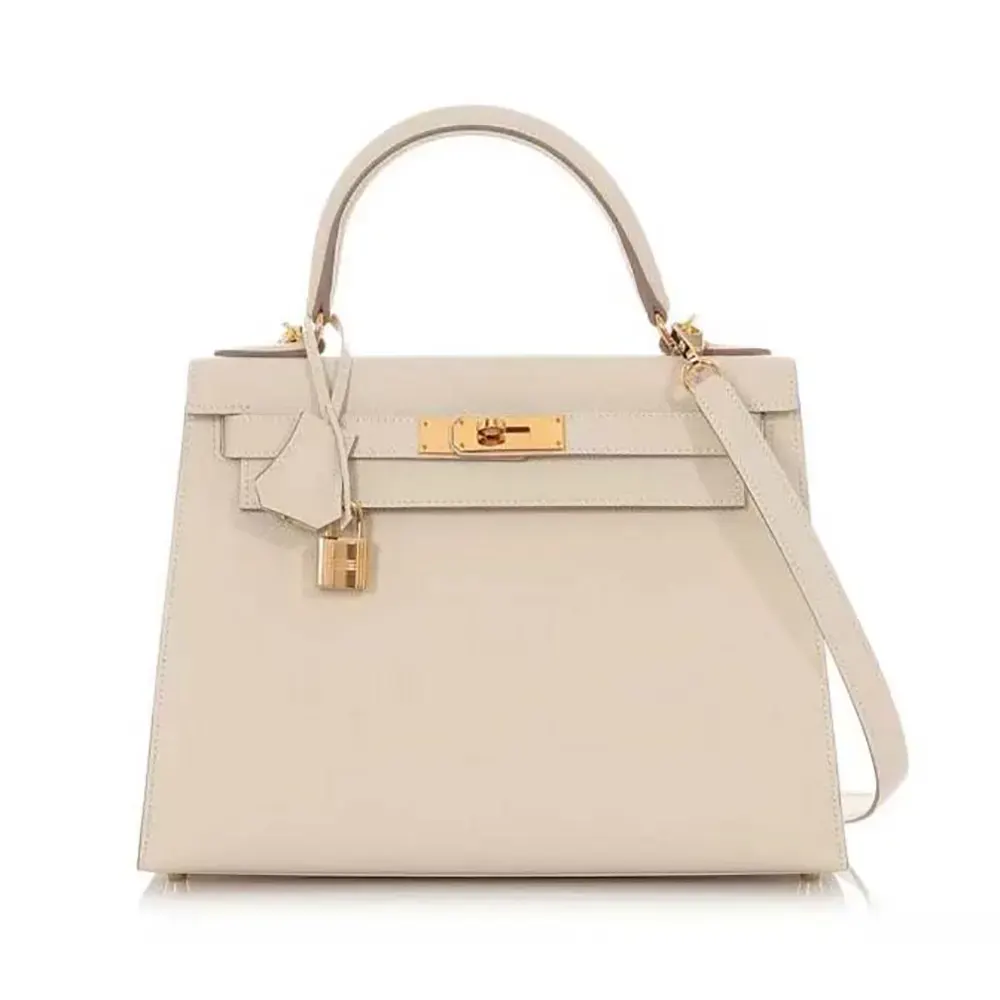
Good examples include the Hermès Birkin 28 or 30, Hermès Kelly 25 or 28, and Chanel Classic Flap in a medium size.
A medium handbag is a strong choice for everyday use because it can work with casual outfits, office looks, travel days, and dinners.
Choose this size if your usual essentials include a phone, wallet, keys, sunglasses, small makeup items, and other compact accessories.
How to Choose a Small Handbag
Small handbags are designed for light carrying. They are particularly useful for dinners, parties, weddings, events, and occasions when you do not need to bring much.
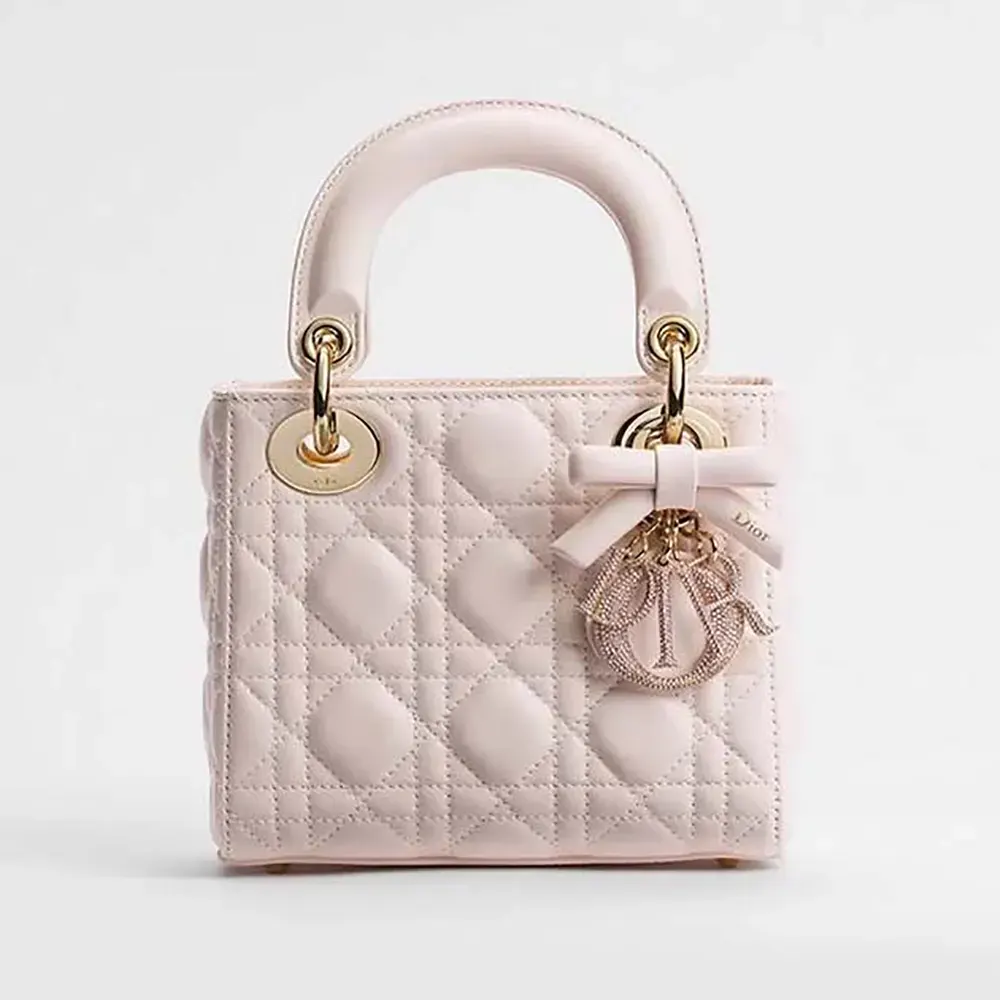
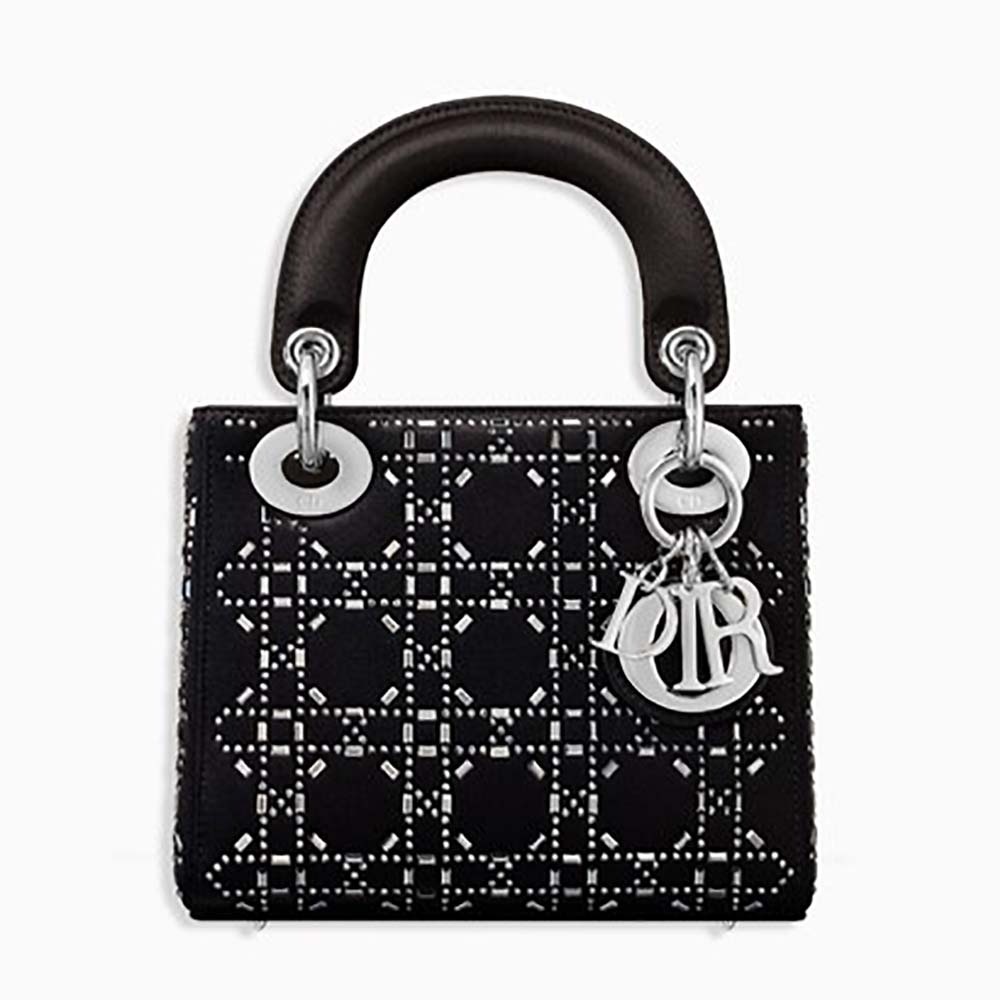
Examples include the Hermès Kelly Pochette or Kelly 20, Chanel Mini Flap, and Dior Mini Lady Dior.
Before choosing a small bag, check what actually fits inside. Some mini bags can hold a phone and cards but may not fit larger smartphones, sunglasses, or a full-size wallet.
If you prefer carrying only the essentials, a small handbag can be both practical and stylish.
How Should a Handbag Size Match Your Body?
Proportion also matters. A very large handbag can look overwhelming on a smaller frame, while a very small bag may appear out of proportion on a taller or larger frame.
This does not mean there are strict rules. Instead, consider the overall balance between your height, body proportions, and the bag’s shape.
If you prefer a more balanced appearance, medium-sized handbags are often an easy starting point. Larger bags can create a relaxed look, while smaller bags can give an outfit a lighter and more refined feel.
How to Choose the Right Handbag Size for Different Occasions
The right size can also change depending on the occasion.
For work: Choose a medium or large bag depending on whether you need to carry a laptop or documents.
For travel: A spacious tote or large handbag can be useful for keeping essentials together.
For everyday errands: A medium handbag usually offers a practical balance.
For dinner or parties: A small shoulder bag, mini bag, or clutch is usually enough.
For formal events: A compact bag often works best because you only need a few essentials.
What Is the Best Handbag Size for You?
There is no single handbag size that works for everyone. The right choice is the size that fits your daily essentials, lifestyle, body proportions, and typical occasions.
Before buying a handbag, make a quick list of what you normally carry. Then check whether those items fit comfortably without forcing the bag to look overfilled.
In simple terms, choose large for maximum capacity, medium for everyday versatility, and small for light carrying and special occasions. When you choose based on how you actually live rather than simply following a trend, your handbag is much more likely to become a piece you use regularly.